
In short
Multi format datasets need tight alignment between formats: captions that describe what is visible, timestamps that match speech to frames, and descriptions specific enough to distinguish similar items.
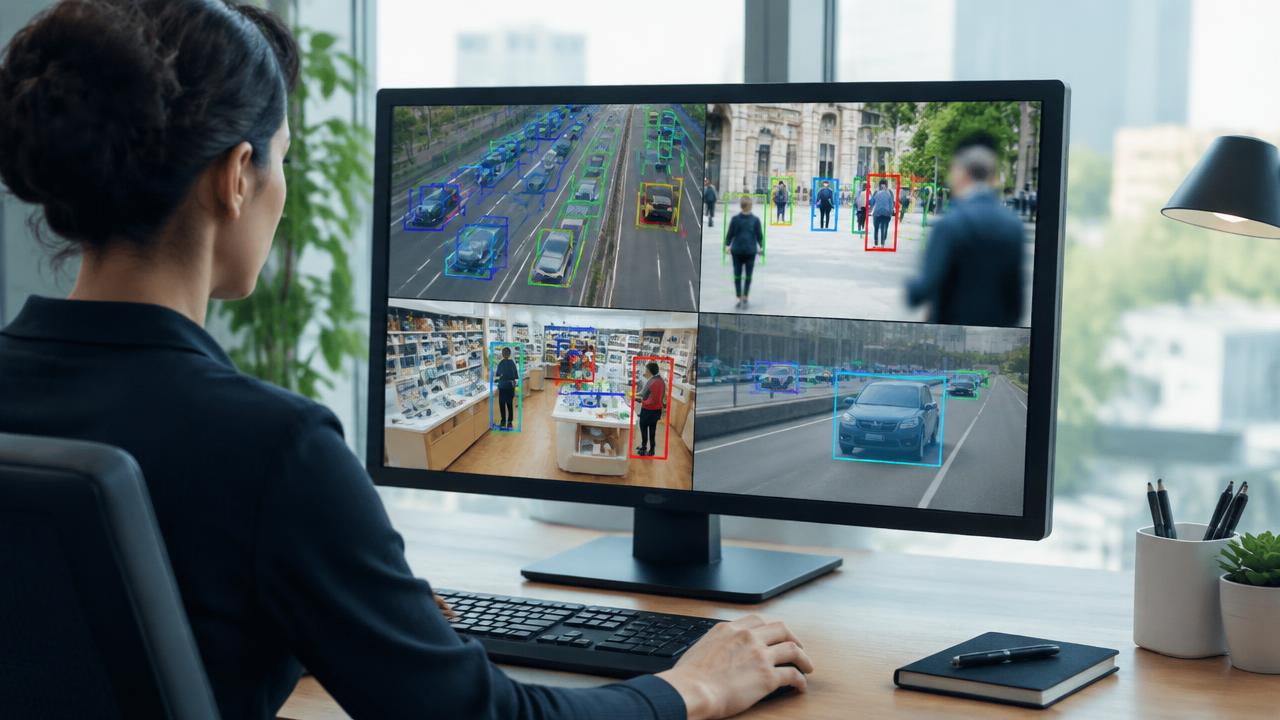
Products that read images and text together are only as good as the correspondence between them. Loose pairs create loose associations.
Where alignment breaks
- Captions describing context that is not visible in the frame
- Audio and video drifting out of sync across a long recording
- Descriptions generic enough to fit any similar image
- One modality carrying detail the other never mentions
Write descriptions that discriminate
A caption should distinguish its image from a near duplicate. If the same sentence fits ten images in the set, it contributes very little.
Check both directions
Review the caption against the image and the image against the caption. Errors visible in one direction are often invisible in the other.
Practical checklist
- Define the acceptance rule before any volume starts
- Review a small pilot before committing the full budget
- Track errors by category, language and reviewer
- Keep consent, source notes and version history with the files
Before you ask for a quote
A clear brief saves days. Share a sample file, target language or region, expected volume, deadline, quality threshold and any privacy restrictions. A supplier can then price the work on real effort rather than assumptions.
- Which languages, markets or user groups must be represented?
- What format does the final file need to arrive in?
- Who will approve ambiguous cases during the pilot?
- multi format
- visual descriptions
- alignment
Need this done rather than read about it?
We run collection, annotation, transcription and localization projects for teams who would rather spend their time on the product.
Start a conversation