
In short
Video annotation for motion products requires consistent object identity across frames, explicit rules for occlusion and re-entry, accurate event boundaries and deliberate coverage of rare scenarios.
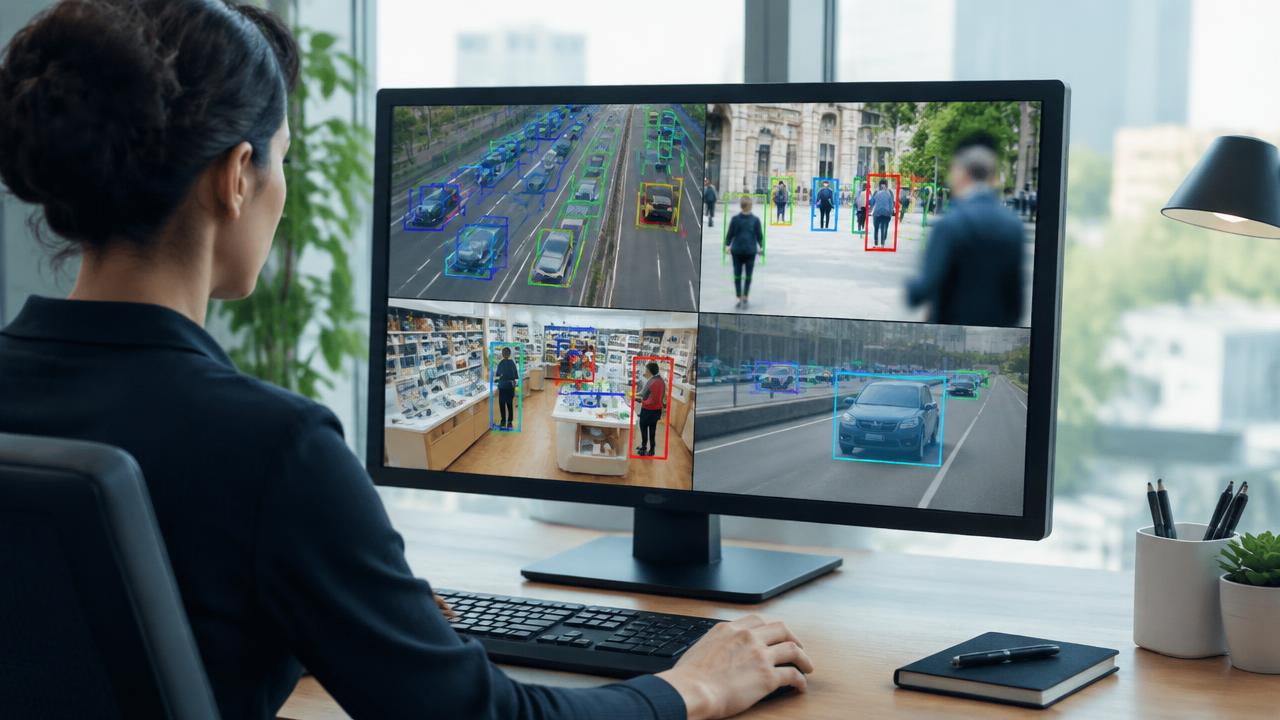
A box drawn perfectly in one frame is worth little if the same object gets a new identity in the next. Tracking consistency is what motion analysis relies on.
Rules that must be written down
- When an occluded object keeps its identity and when it gets a new one
- How much of an object must be visible before it is labelled
- How event start and end frames are chosen
- What happens to objects that leave and re-enter the frame
Rare events need staging
The situations that matter most appear least often in collected footage. Staging them safely with briefed participants is usually cheaper than filming for months and hoping.
Review in motion
Quality checks should play the sequence, not sample still frames. Identity switches and boundary errors are invisible frame by frame and obvious at normal speed.
Practical checklist
- Define the acceptance rule before any volume starts
- Review a small pilot before committing the full budget
- Track errors by category, language and reviewer
- Keep consent, source notes and version history with the files
Before you ask for a quote
A clear brief saves days. Share a sample file, target language or region, expected volume, deadline, quality threshold and any privacy restrictions. A supplier can then price the work on real effort rather than assumptions.
- Which languages, markets or user groups must be represented?
- What format does the final file need to arrive in?
- Who will approve ambiguous cases during the pilot?
- video
- tracking
- motion
Need this done rather than read about it?
We run collection, annotation, transcription and localization projects for teams who would rather spend their time on the product.
Start a conversation